
The Internet of Things (IoT) is a concept where physical objects are equipped with technology that allows them to connect and communicate over the internet. IoT has become a hot topic in the tech world, and more companies and individuals are starting to understand its potential. This article will discuss what IoT is, how it works, and its benefits and challenges.
What is IoT?
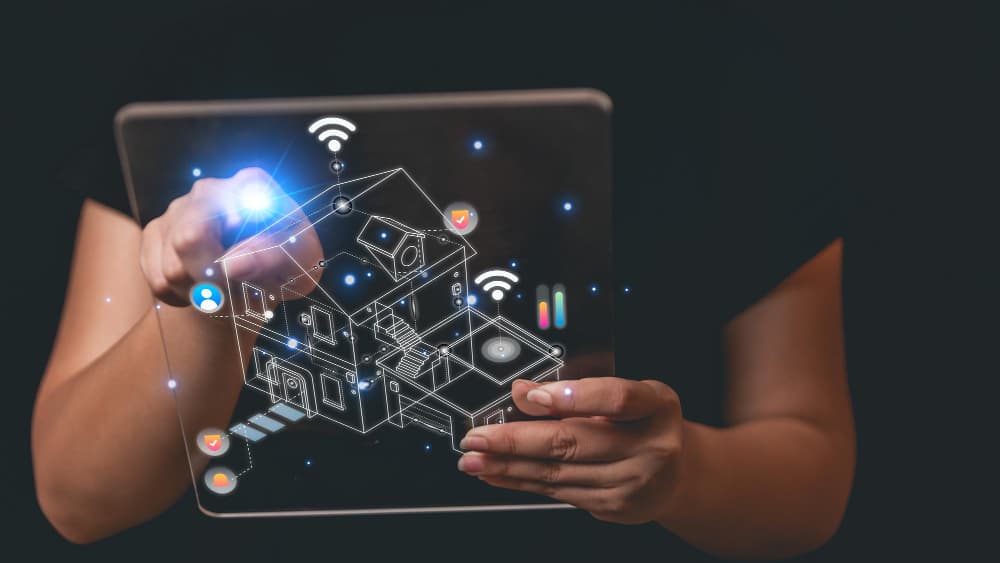
IoT, or the Internet of Things, is a network of physical devices connected to the internet, enabling them to collect and exchange data. Examples of IoT devices include smart home gadgets like thermostats, lights that can be controlled via apps, and health devices that can send real-time data to doctors.
How IoT Works
IoT devices are equipped with sensors, software, and other technologies that enable them to send and receive data over the internet. The data collected from these devices can be analyzed to provide valuable insights, such as energy usage patterns or health conditions. Here are some key components of IoT:
Sensors: Collect data from the physical environment.
Connectivity: Connect devices to the internet network.
Software: Analyzes and processes data.
User Interface: Allows users to interact with devices.
Benefits of IoT
IoT offers significant benefits across various sectors, including:
Operational Efficiency: By monitoring and automating processes, companies can reduce costs and increase efficiency.
Energy Savings: Smart devices can help save energy by optimizing electricity usage.
Improved Healthcare: IoT health devices enable real-time health monitoring, allowing for quicker and more accurate medical care.
Smart City Development: IoT plays a crucial role in building smarter, more efficient, and environmentally friendly cities, such as in traffic management and waste management.
Challenges of IoT
Despite its many benefits, IoT also faces several challenges, including:
Security and Privacy: Data collected by IoT devices is vulnerable to cyberattacks.
Technical Complexity: Integrating different devices and systems can be very complex and requires high technical expertise.
Implementation Costs: The initial cost of installing IoT systems can be high, though the long-term benefits can offset these costs.
IoT is a revolutionary technology that offers various benefits for individuals and companies. By understanding its workings and potential advantages, we can leverage IoT to improve efficiency, save energy, and enhance the quality of life. However, it is also crucial to consider the existing challenges and take steps to address security and privacy issues.
IoT FAQ
What is IoT?
IoT is a network of physical devices connected to the internet to collect and exchange data.
How does IoT work?
IoT devices use sensors to collect data, which is then sent over the internet network and analyzed by software.
What are the main benefits of IoT?
The main benefits of IoT include operational efficiency, energy savings, improved healthcare, and smart city development.
What are the main challenges in implementing IoT?
The main challenges include security and privacy, technical complexity, and high implementation costs.