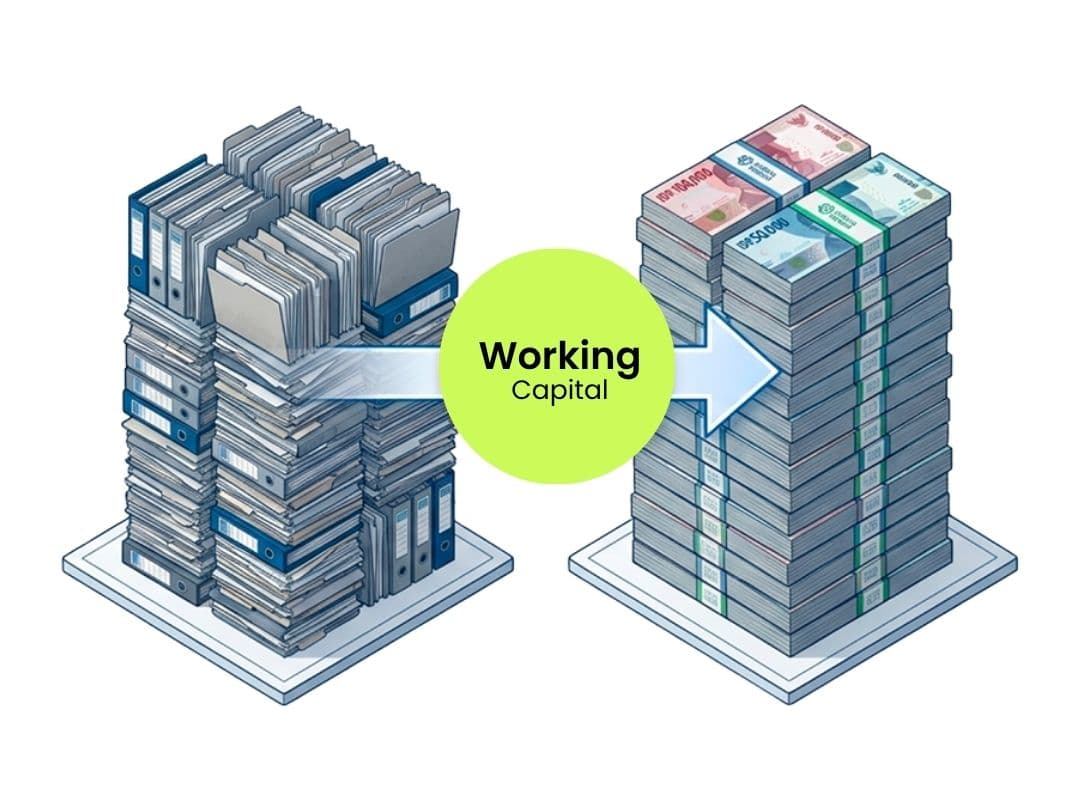

In the fast-paced world of digital marketing, landing pages are essential tools for capturing leads and driving conversions. Whether you're launching a new product, promoting an event, or gathering sign-ups for a newsletter, a well-crafted landing page can make all the difference. This article will demystify landing pages, explaining what they are, their purposes, and how to build a great one.
What Are Landing Pages?
A landing page is a standalone web page created specifically for a marketing or advertising campaign. It's where a visitor "lands" after clicking on a link in an email, ad, or other digital sources. Unlike general web pages, landing pages are designed with a single focus or goal, known as a call to action (CTA).
Types of Landing Pages:
Click-Through Landing Pages: Aim to persuade visitors to click through to another page, often a product page.
Lead Generation Landing Pages: Designed to capture visitor information, such as email addresses, through a form.
Key Elements of a Landing Page:
A compelling headline
Engaging images or videos
Brief and persuasive copy
A clear and concise CTA
User-friendly form (for lead generation)
What Are Landing Pages For?
Landing pages serve as a critical component of the marketing funnel, guiding visitors toward a specific action. They are used for various purposes, including:
Product Launches: Announcing and showcasing new products.
Event Registrations: Promoting events and collecting attendee information.
Special Offers: Highlighting promotions, discounts, or limited-time deals.
Lead Generation: Collecting contact information for future marketing efforts.
Landing pages are designed to minimize distractions and focus the visitor's attention on the desired action, thus increasing the likelihood of conversion.
How to Build a Great Landing Page
Design Best Practices:
Clean and Simple Layout: Avoid clutter to keep the visitor's focus on the CTA.
Mobile Responsiveness: Ensure the landing page looks and functions well on all devices.
Use of Visuals and Multimedia: Incorporate relevant images and videos to engage visitors and convey messages quickly.
Content Strategies:
Compelling Headlines: Craft headlines that capture attention and clearly communicate the value proposition.
Persuasive Copy: Write concise, benefit-focused content that addresses the visitor's needs and pain points.
Clear CTAs: Use strong, action-oriented language for your CTAs, and make them stand out on the page.
Technical Considerations:
Page Load Speed: Optimize images and minimize code to ensure fast loading times.
SEO Optimization: Use relevant keywords, meta tags, and alt texts to improve search engine visibility.
A/B Testing and Analytics: Continuously test different versions of your landing page to identify what works best and analyze performance metrics.
Case Studies of Successful Landing Pages
Examining successful landing pages can provide valuable insights. Here are a few examples:
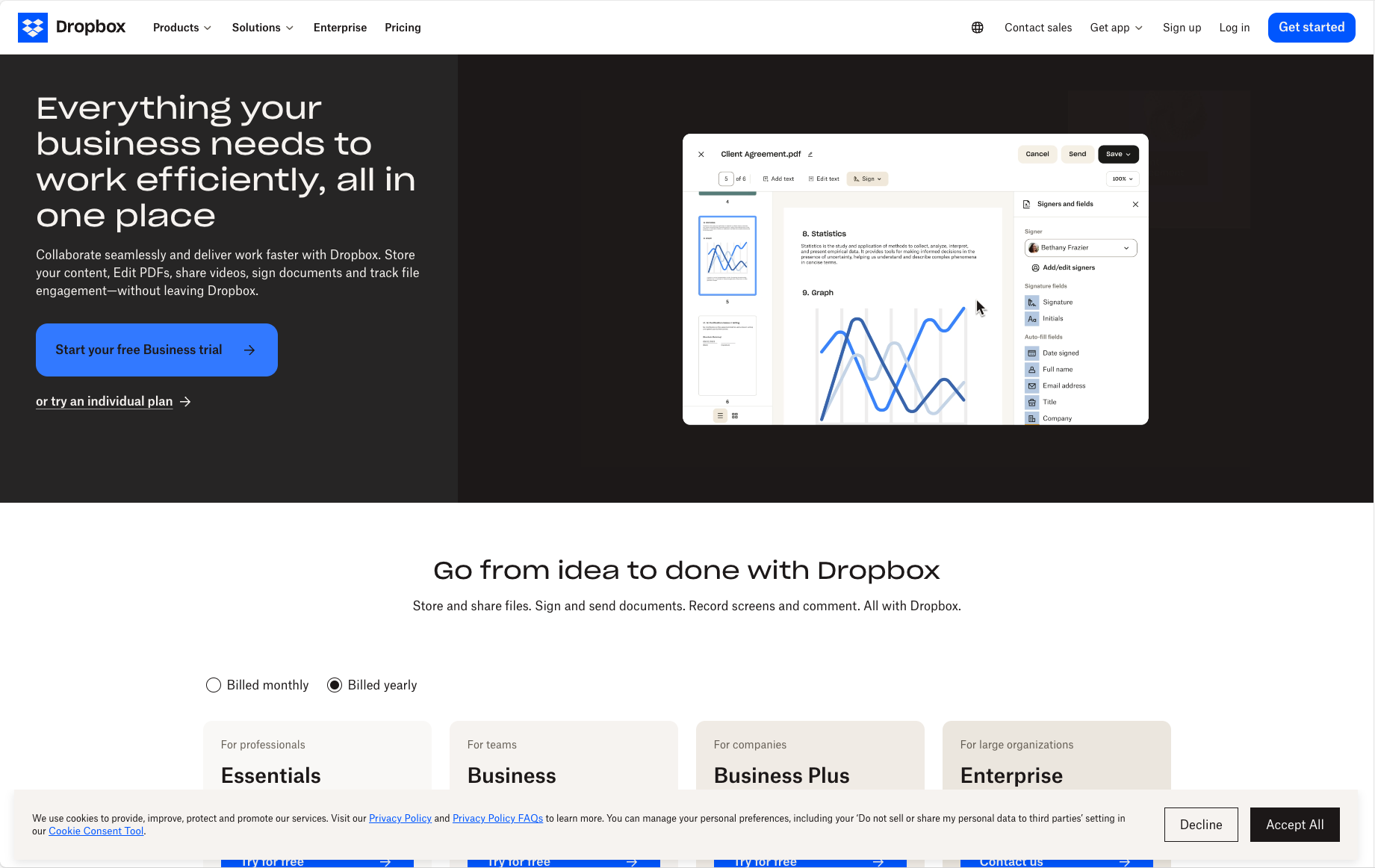
Dropbox: Simple design, clear value proposition, and an easy sign-up process.
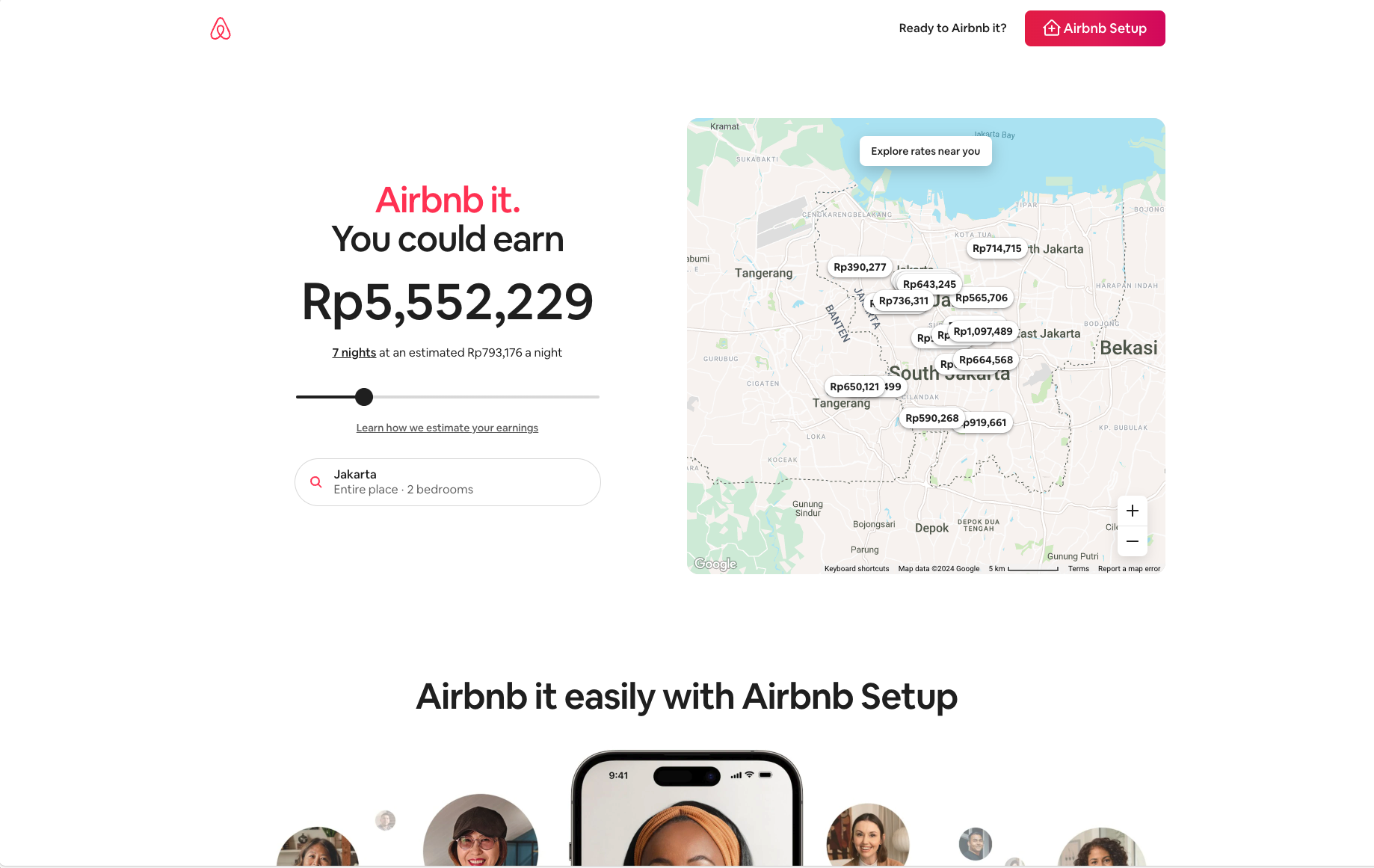
Airbnb: Strong visual appeal, clear CTA, and persuasive user testimonials.
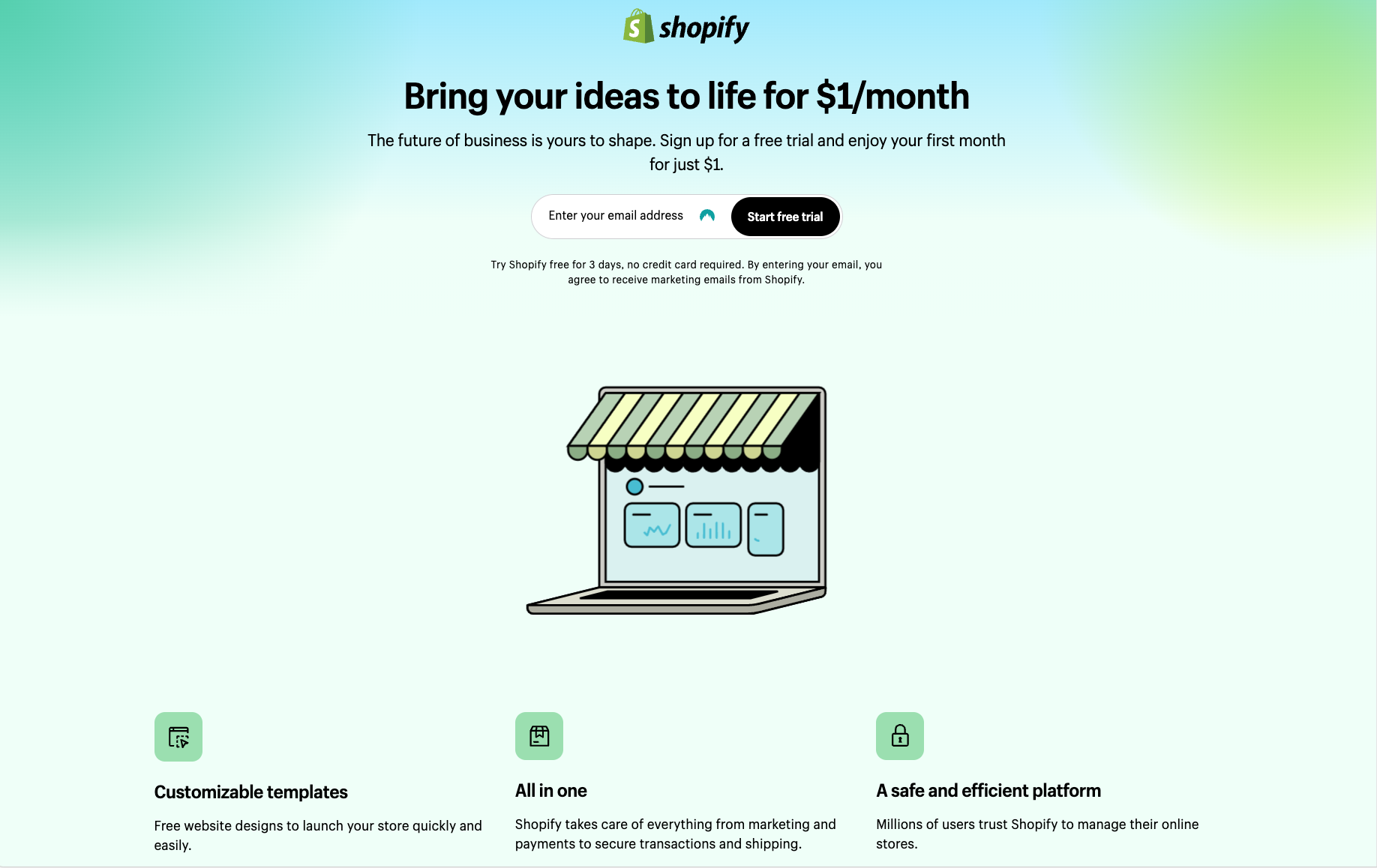
Shopify: Benefit-driven headline, straightforward CTA, and credibility through customer logos and testimonials.
Key Takeaways:
Prioritize simplicity and clarity.
Focus on a single, well-defined goal.
Continuously test and optimize for better performance.
Landing pages are indispensable tools in digital marketing, designed to convert visitors into leads or customers by guiding them toward a specific action. By understanding what landing pages are, their purposes, and how to build them effectively, you can enhance your marketing efforts and achieve higher conversion rates. Start implementing these strategies today and watch your digital campaigns thrive.