
AI / Kemampuan
RAG & Knowledge Systems.
AI biasa tidak paham bisnis Anda. Semua kuncinya ada di dokumen Anda. Baik itu aturan perusahaan, riwayat komplain, buku panduan kerja, katalog produk, sampai arsip audit Anda. Kami membangun AI pintar menggunakan teknologi RAG & Knowledge Systems yang membuat setiap jawaban robot selalu bersandar pada data asli Anda. Dilengkapi sumber dokumen yang bisa dicek langsung, batasan akses sesuai jabatan tim Anda, dan sistem otomatis menolak menjawab jika datanya memang tidak ada di dokumen sumber.
Perbedaan antara "masuk akal" dan "tepat akurat" ada pada sumber datanya
Retrieval-Augmented Generation (RAG) adalah arsitektur yang mengubah AI dari sekadar "masuk akal" menjadi "tepat akurat". Setiap jawaban mencantumkan dokumen asalnya. Setiap dokumen sumber dilindungi oleh kontrol hak akses sehingga AI tidak akan membocorkan data yang tidak boleh dilihat oleh pengguna. Dan ketika jawaban tidak ada di dalam dokumen sumber, AI akan menolak untuk menjawab, bukan menebak-nebak. Bagi industri yang diatur ketat oleh regulasi, RAG bukanlah sekadar fitur pelengkap. Ini adalah batas standar minimum antara AI yang aman untuk diluncurkan dan AI yang akan memicu temuan pelanggaran kepatuhan saat diaudit.
Bagaimana kami mengembangkan sistem RAG yang lolos audit & uji direksi
Empat fase yang menempatkan sumber hukum, kontrol akses, dan perilaku menentang sebagai fondasi desain.
Discover
Kami mengamati langsung kualitas aset pengetahuan internal Anda di lapangan untuk mengukur performa dasar serta memetakan struktur izin akses informasi sensitif. Langkah awal ini memastikan bahwa teknologi yang dikembangkan benar-benar menyelesaikan masalah pencarian data yang tepat.
Pilot
Fase ini berfokus pada pembuatan model uji coba ujung ke ujung menggunakan data nyata selama 6 minggu untuk memvalidasi akurasi sistem pada ruang lingkup terbatas. Kami menargetkan ketepatan kutipan sumber data yang tinggi dan menetapkan batas toleransi kecepatan respons sistem.
Validate
Kami membangun arsitektur evaluasi yang mencakup ketepatan kutipan, akurasi penarikan data (recall/precision), kualitas penolakan respons, uji bias seleksi sumber, dan enkripsi kontrol akses lintas peran. Dokumentasi dirancang selaras dengan standar kepatuhan OJK, UU PDP, BPJPH, atau regulator sektoral, lengkap dengan bukti bahwa sistem secara otomatis menolak merespons pada situasi yang diwajibkan hukum.
Scale
Tahapan akhir ini berfokus pada serah terima sistem ke lini produksi lengkap dengan alur pembaruan dokumen berkala dan dasbor pemantauan kinerja. Infrastruktur operasional yang mapan dan dibangun hari ini akan menjadi fondasi kokoh yang siap dikuasai penuh oleh tim internal Anda.
Ragam solusi yang kami kembangkan
Kami menghadirkan empat keahlian utama untuk penataan operasional menyeluruh, mulai dari otomasi tugas individual hingga orkestrasi skala penuh yang didukung solusi cerdas dari ujung ke ujung.
Alur Pengambilan Data
Fondasi dasar: bagaimana kami membagi dokumen menjadi unit data terarah, memproses embedding, dan menerapkan metode rerank untuk menampilkan konteks yang tepat bagi tiap pertanyaan. Proses chunking yang tidak rapi menjadi pemicu utama sistem RAG memicu halusinasi atas jawaban yang dicari oleh pelanggan Anda.
Model Pencarian Ganda
Pencarian semantik murni sering melewatkan kecocokan kata yang persis, sedangkan pencarian kata kunci murni luput menangkap parafrase teks. Kami mengembangkan sistem hybrid retrieval yang memadukan keduanya, disertai fitur rank fusion yang dioptimalkan untuk korpus dokumen Anda, pembeda utama antara hasil yang "hampir tepat" dan yang "benar-benar akurat".
Kontrol Akses & Pemetaan Izin Pengguna
Kami menghubungkan infrastruktur kecerdasan buatan langsung dengan sistem keamanan internal perusahaan Anda untuk memastikan penarikan data dibatasi secara ketat berdasarkan hak akses hukum pengguna demi kepatuhan regulasi UU PDP.
Kutipan Sumber Data & Desain Penolakan Sistem
Jalur keputusan transparan yang menyertakan rujukan lokasi dokumen asli yang dapat diverifikasi secara instan serta membekali sistem dengan logika penolakan aman apabila informasi tidak ditemukan.
Peran nyata RAG & Knowledge Systems kami
Kondisi pasar korporasi Indonesia dalam mengembangkan sistem knowledge systems menggunakan dokumen internal terpercaya.
RAG menjadi standar baku dalam implementasi AI
Sekitar 70% sistem AI perusahaan di dunia sekarang memakai sistem RAG, yang berbasis data internal dan bukan cuma model AI generik biasa. Tantangan di tahun 2026 bukan lagi soal "perlu pakai RAG atau tidak?", tapi "apakah arsitektur RAG kita sudah lolos audit, aman hak aksesnya, dan patuh pada aturan hukum?"
AI berbasis dokumen internal menjadi kewajiban hukum, bukan sekadar pilihan
UU PDP (efektif Oktober 2024) menuntut pembatasan akses data pribadi yang transparan, termasuk data yang diakses oleh AI. Panduan OJK April 2025 menambahkan kewajiban pelacakan sumber dan rekam jejak audit untuk setiap keputusan AI. Bersama-sama, keduanya menjadikan sistem retrieval dengan citasi dan izin akses khusus sebagai satu-satunya metode yang aman menghadapi audit regulasi.
36.000+ fasilitas membangun knowledge systems kesehatan skala besar
Proses integrasi SATUSEHAT menciptakan kumpulan dokumen medis yang besar, bervariasi, dan sensitif privasi yang memerlukan arsitektur retrieval matang. Klinik dan rumah sakit Indonesia yang mengejar target 87% digitalisasi RME akan bertumpu pada arsitektur AI berbasis RAG.
Tren terkini seputar RAG & knowledge systems
View all insights →
Strategi Mendefinisikan Ulang Batasan Produktivitas Melalui Sentralisasi Arsitektur Komputasi Komprehensif
Analisis mendalam tentang inovasi teknologi kognitif yang merajut kapabilitas agen otonom, otomatisasi keuangan, dan rekam medis digital.
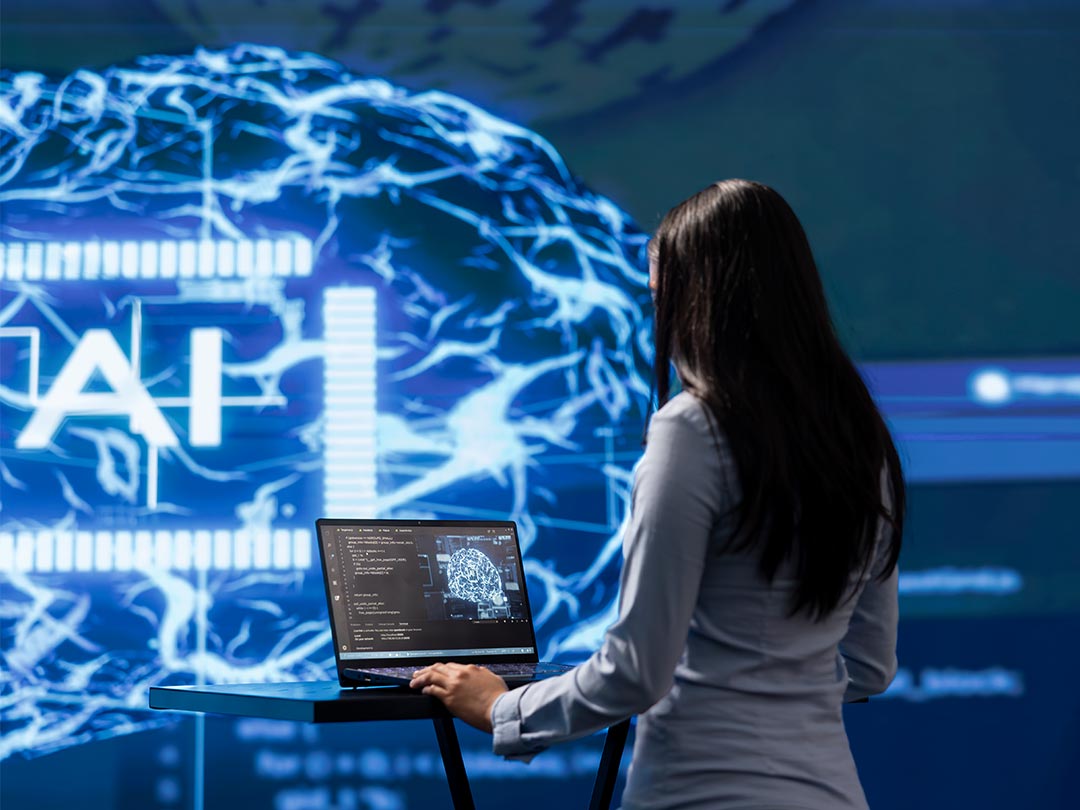
Strategi Memaksimalkan Aset Informasi Perusahaan Melalui Enterprise RAG Knowledge Systems
Analisis komprehensif penerapan RAG Knowledge Systems yang menyatukan kapabilitas agen otonom, otomatisasi keuangan, dan rekam medis digital.

Panduan Komprehensif Enterprise Artificial Intelligence Implementation Guide untuk Efisiensi Maksimal
Eksplorasi mendalam mengenai panduan penerapan kecerdasan buatan enterprise yang menggabungkan otomatisasi proses dan sistem pengetahuan untuk dominasi pasar.
Sektor operasional mana yang membutuhkan integrasi mandiri RAG & Knowledge Systems?
Beritahu kami kumpulan dokumen yang akan melipatgandakan produktivitas jika tim Anda bisa mencarinya dengan bahasa alami: basis pengetahuan internal, pustaka kebijakan, riwayat tiket, preseden hukum, dokumentasi produk, atau berkas regulasi. Kami akan menyusun uji coba RAG enam minggu dengan rangkaian pertanyaan nyata dan alat evaluasi untuk mengukur keandalan citasi serta kualitas penolakan aman.
Mulai proyek