
Ventures / Program
Co-Build.
Anda memiliki pemahaman industri, wawasan pasar, dan intuisi seorang founder, namun yang belum Anda miliki saat ini adalah tim produk. Co-Build adalah model kerja sama dari Sprout bagi para founder yang ingin meluncurkan produk nyata dalam hitungan bulan; bukan sekadar wireframe atau aplikasi demo, melainkan produk versi 1 siap pakai tanpa perlu membuang waktu 18 bulan pertama hanya untuk merekrut tim. Kami menghadirkan seluruh tumpukan keahlian product-engineering dan melakukan co-build langsung bersama Anda dengan pembagian porsi ekuitas dan biaya tunai yang transparan serta rasional sejak hari pertama.
Tim produk berpengalaman tanpa beban rekrutmen
Kerja sama skema co-build dimulai dengan satu komitmen bersama: kita sedang membangun sebuah bisnis/ventura nyata, bukan sekadar prototipe. Anda memegang kendali atas keahlian industri dan strategi bisnis. Kami menyediakan kapasitas penuh di bidang produk, desain, rekayasa teknologi (engineering), QA, hingga DevOps. Selama 3–6 bulan, kami meluncurkan produk tersebut, memvalidasinya dengan pengguna riil, dan menyiapkan fondasi untuk kebutuhan ekspansi (scaling) atau opsi keluar (clean exit) yang matang. Skema kompensasi kami merupakan kombinasi antara uang tunai (untuk alokasi waktu tim kami) dan ekuitas (sebagai bentuk kepemilikan risiko bersama Anda). Komposisi pastinya bergantung pada tahap bisnis, ruang lingkup proyek, dan seberapa banyak dana tunai yang ingin Anda hemat untuk menjaga kelangsungan operasional (runway) selama 12 months ke depan. Semuanya akan dituangkan secara tertulis sebelum kita mulai bekerja.
Tanggung jawab bersama Pendiri + Studio dari waktu ke waktu
Garis waktu horizontal dari Bulan 1 hingga Bulan 6 dengan dua jalur paralel: tanggung jawab pendiri (validasi domain, wawancara pelanggan, penggalangan dana, perekrutan pertama) dan tanggung jawab Sprout Studio (ruang lingkup produk, siklus pembangunan inti, pengerasan produksi, peluncuran). Ramp handoff yang terlihat pada Bulan 6 menunjukkan Sprout melangkah mundur saat tim pendiri sendiri meningkat. Segera hadir.
Bagaimana proses Co-Build kami berjalan
Empat fase adaptif selama periode waktu 3–6 bulan yang berjalan terstruktur, dinamis, serta dirancang tanpa birokrasi yang rumit.
Scope
Dua minggu awal untuk memahami model bisnis, industri, gaya kerja founder, dan profil pengguna nyata pertama dari produk tersebut. Kami menyusun dokumen ruang lingkup bersama yang mencakup kemampuan utama produk saat pertama kali diluncurkan, komposisi tim, skema biaya tunai beserta ekuitas, tata kelola hak keputusan, serta kondisi penyelesaian kerja sama di kedua belah pihak sebelum mulai.
Build
Bulan ke-1 hingga ke-4 di mana tim produk, desain, teknik, QA, dan DevOps meluncurkan fitur bersama melalui sesi demo mingguan bersama founder menggunakan kode pemrograman standar industri. Ini adalah produk asli Anda, bukan sekadar aplikasi sementara, dengan target mendapatkan sinyal penggunaan yang terukur pada akhir Bulan ke-3.
Launch
Bulan ke-5 hingga ke-6 yang berfokus pada peluncuran resmi ke sistem produksi, pemasangan instrumen pelacakan data, akuisisi 100 pengguna nyata pertama, dan aktivasi siklus umpan balik secara langsung. Strategi masuk ke pasar oleh founder mulai berjalan seiring Sprout beralih fungsi menjadi mitra penjaga stabilitas sistem.
Handoff or Continue
Pasca-bulan ke-6, kerja sama dapat diarahkan ke dalam dua opsi strategi. Opsi Satu: founder membentuk struktur organisasi engineering mandiri, sementara Sprout beralih fungsi menjadi penasihat teknis (technical advisor) atau mitra penyedia team augmentation. Opsi Dua: Sprout mempertahankan posisinya sebagai tim engineering yang terintegrasi penuh (embedded) melalui skema perluasan tim. Kedua pendekatan ini memiliki validitas yang setara, di mana arah kebijakan akan dikunci pada kesepakatan pemetaan proyek awal.
Apa yang kami kembangkan bersama para founder
Empat keahlian utama untuk penataan operasional menyeluruh, mulai dari penentuan ruang lingkup hingga peluncuran.
Tim Produk & Engineering (Inti)
Satu tim produk Sprout lengkap yang skalanya disesuaikan dengan ruang lingkup proyek, dipimpin oleh tenaga senior dan bekerja erat bersama founder sepanjang masa kerja sama.
Keputusan Arsitektur & Platform
Keputusan teknis yang mencakup pilihan tumpukan teknologi, model data, pola integrasi, sistem autentikasi dan pembayaran, serta fitur pengawasan untuk memperkuat skala bisnis Anda dalam 3 tahun ke depan.
Siap Kepatuhan sejak Hari Pertama
Kami merancang infrastruktur sejak peninjauan arsitektur pertama agar patuh pada aturan pemerintah seperti OJK, BI, UU PDP, BPJPH, atau SATUSEHAT untuk bisnis di sektor yang teregulasi ketat.
Keputusan Produk Go-to-Market
Pengoptimalan alur penerimaan pengguna baru, pengalaman pengguna pertama, siklus aktivasi, hingga pola retensi pelanggan yang diukur melalui instrumen pertumbuhan bersamaan dengan pergerakan strategi pasar milik founder.
Peran nyata program Co-Build kami
Berbagai bisnis (ventures) di mana Sprout dipercaya menjadi tim produk sejak hari pertama. Di sinilah bukti nyata dari komitmen kami berada.
Marketplace komisi 0% dengan 150rb+ seller dalam 3 minggu
Pengembangan platform marketplace UMKM komersial dengan program co-build yang sukses menerima 150.000+ penjual dalam tiga minggu pertamanya pada Juni 2025 dan terus berjalan sebagai pilar utama dalam tesis bisnis Sprout.
Kisaran saham 30–50% adalah standar umum global
Jaringan venture studio dunia (Atomic, Human Ventures, Pioneer Fund, BCG Digital Ventures) rata-rata mengambil 30–50% saham dalam proyek co-build sebagai timbal balik atas modal, tim, dan risiko yang ditanggung bersama. Skema kerja sama Sprout mengikuti standar ini dan dikunci secara transparan sejak hari pertama.
Studio tumbuh lebih cepat daripada akselerator
Model venture-studio, modal yang dipadukan dengan kedalaman tim operasional, tumbuh 1,9x lipat dari tingkat akselerator di antara peluncuran dana VC baru pada tahun 2024. Bagi pendiri yang memilih dengan siapa akan bermitra, pertanyaannya bukan lagi "studio atau akselerator" melainkan "studio yang mana."
Tren terkini seputar model bisnis co-build
View all insights →
Integrasi AI Sejak Hari Pertama: Panduan untuk Membangun Produk yang Siap Menghadapi Masa Depan
Cara memanfaatkan kepemimpinan Technical Cofounder dan aliansi ekosistem ventura regional untuk membangun software cerdas yang skalabel tanpa harus menulis kode sendiri dari nol.
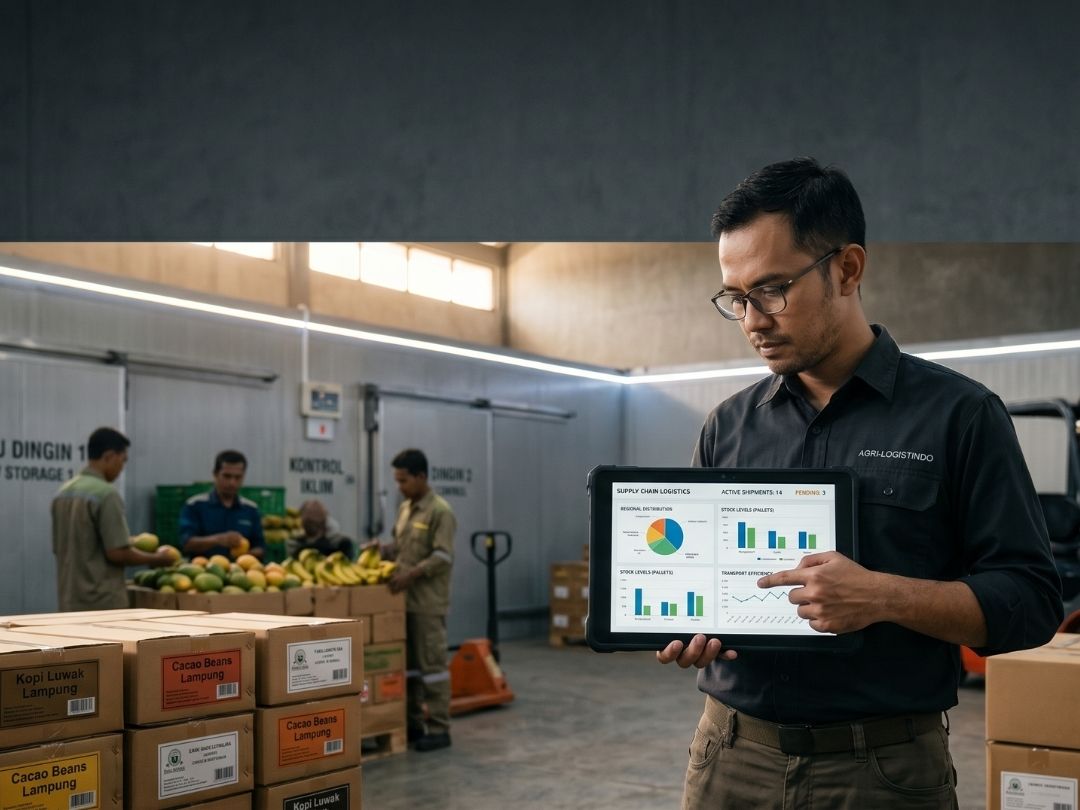
Production V1: Mitos MVP Instan di Startup AgTech dan Logistik
Bangun platform digital standar perusahaan besar yang kokoh sejak hari pertama untuk mengamankan operasional industri berat tanpa risiko kegagalan sistem.
Venture Studio vs Investor Tradisional, Mana yang Benar-Benar Dibutuhkan Startup Anda?
Temukan perbedaan nyata antara pendanaan konvensional dengan ekosistem inkubasi modern yang siap mengeksekusi ide bisnis Anda secara instan.
Seperti apa tampilan nyata dari progam ini.
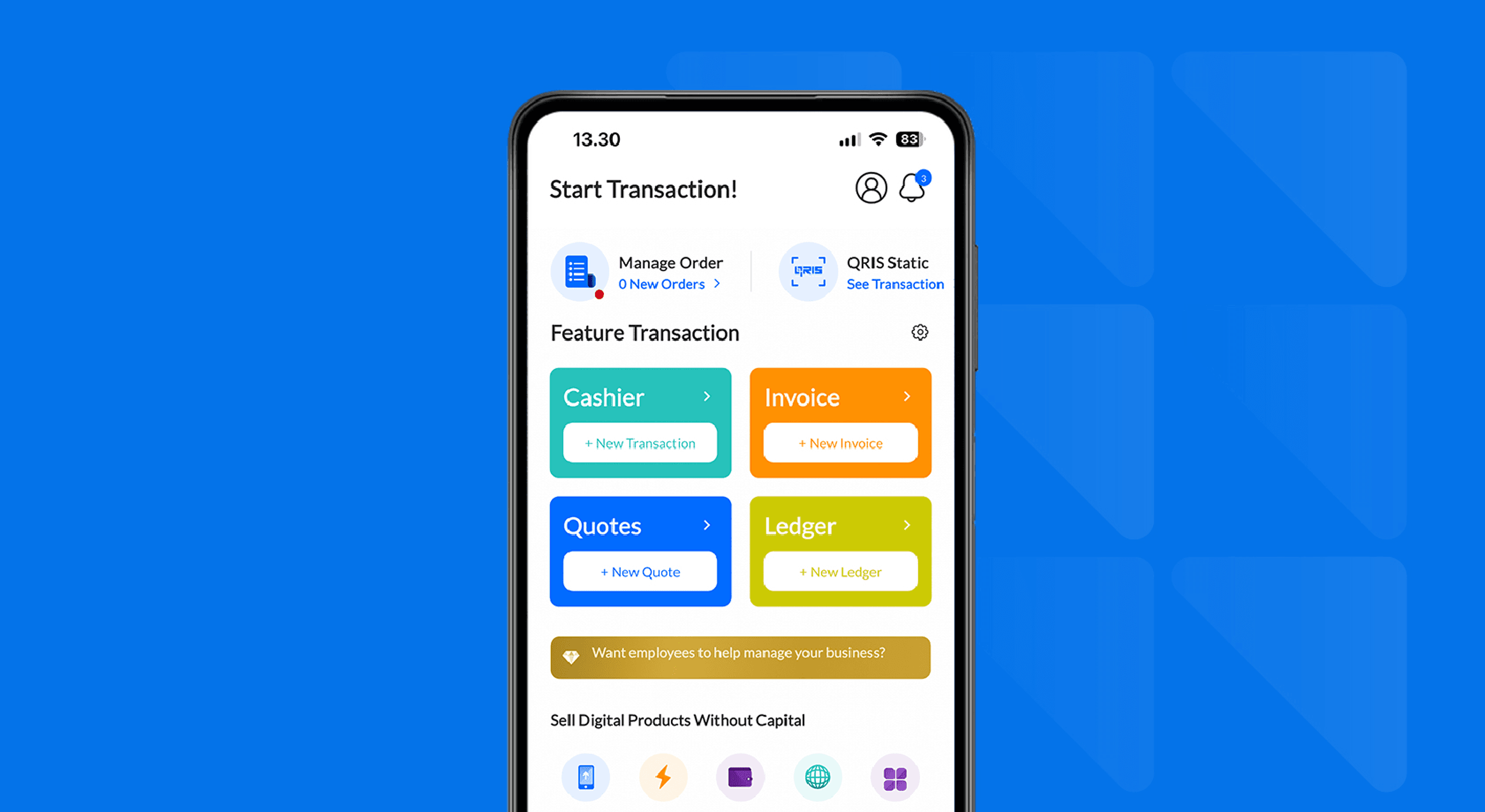
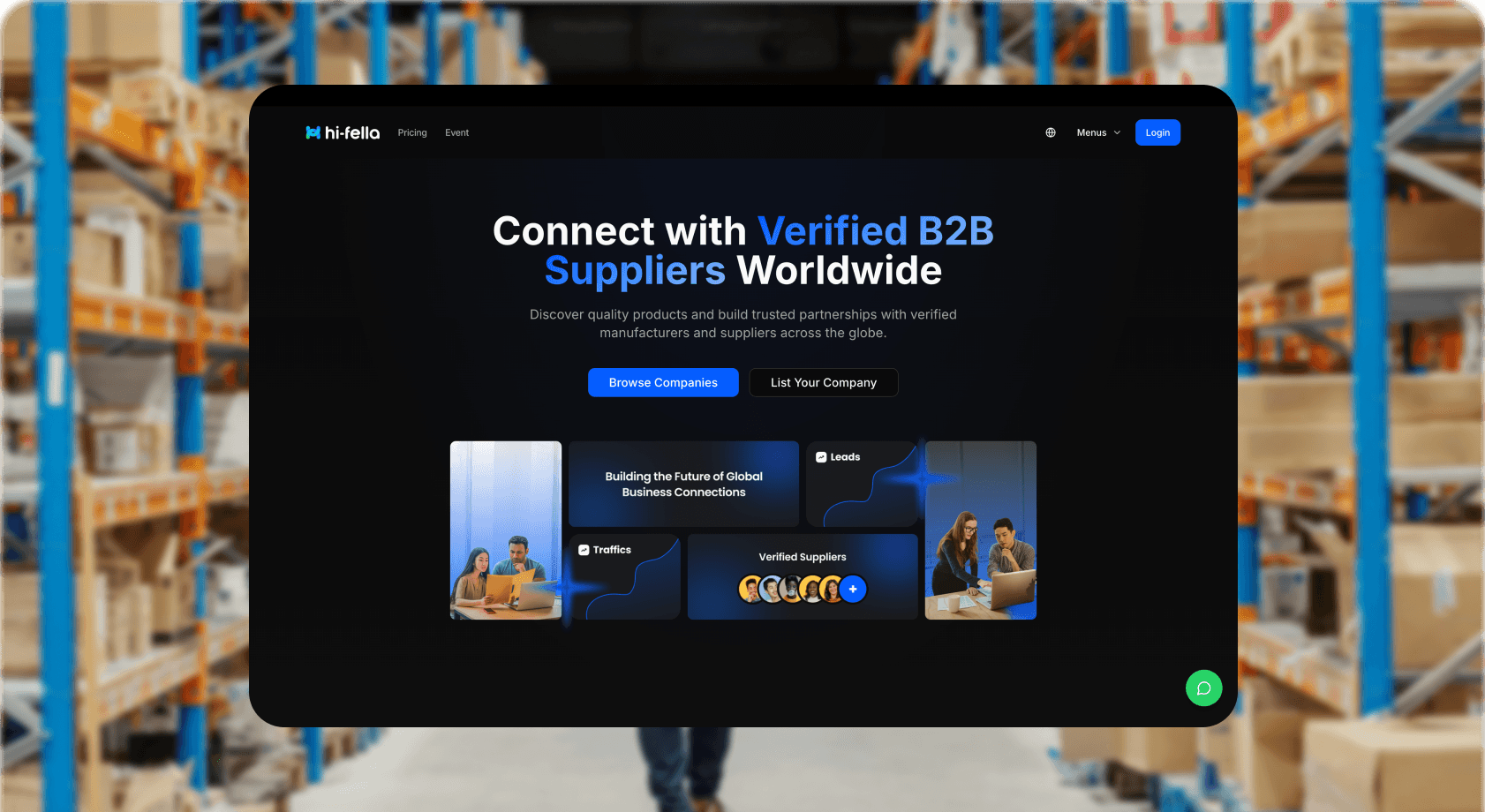
Butuh lebih dari modal untuk membangun bisnis venture Anda?
Ceritakan bisnis Anda kepada kami mengenai industri Anda, profil pengguna pertama, dan produk apa yang ingin segera Anda luncurkan. Jika sesuai, kami akan susun ruang lingkup kerja samanya mencakup komposisi tim, garis waktu, skema biaya tunai dan ekuitas, tata kelola, serta kondisi penyelesaian proyek secara tertulis jelas sebelum kita mulai, agar Anda mendapatkan tim product-engineering ahli yang berdedikasi untuk bekerja di samping Anda.
Start a project