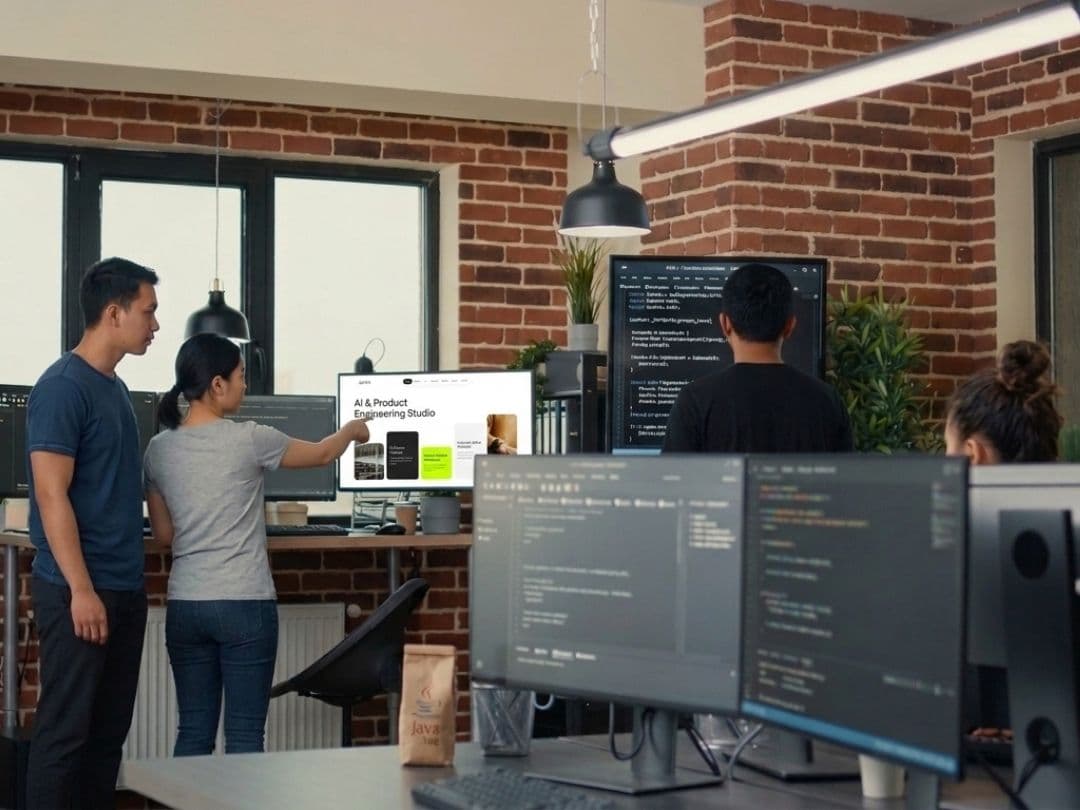

Dalam perjalanan membangun startup, setiap pendiri bisnis pasti mencapai titik balik yang menentukan arah masa depan perusahaan. Fase awal kerap diwarnai dorongan untuk meluncurkan produk dan meraih validasi pasar dengan sumber daya terbatas. Namun, seiring masuknya pendanaan dan meningkatnya ekspektasi investor, tantangan teknis menjadi jauh lebih kompleks. Pada tahap ini, banyak startup menyadari bahwa pola kolaborasi tradisional dengan penyedia teknologi menunjukkan berbagai keterbatasan. Mengeluarkan modal finansial dalam jumlah besar secara terus-menerus untuk setiap baris kode bukan lagi strategi bisnis yang sehat bagi keberlanjutan arus kas perusahaan. Di sinilah konsep Equity Partnerships hadir sebagai solusi strategis untuk mengamankan kepemimpinan teknis jangka panjang melalui penyelarasan visi secara mutlak.
Krisis Hubungan Vendor dan Klien dalam Pengembangan Produk Digital
Hubungan antara klien dan vendor umumnya bersifat transaksional dan berjangka pendek. Terdapat permintaan fitur, eksekusi, dan pembayaran faktur. Meskipun model ini terlihat sederhana dan mudah dikelola pada awalnya, startup yang berkembang pesat sering kali merasakan jurang pemisah yang lebar antara biaya kas yang dikeluarkan dengan kualitas strategis serta akuntabilitas yang diterima.
Beban Biaya Tinggi dari Pola Kerja Transaksional
Dalam model kolaborasi standar, setiap perubahan kecil pada arsitektur produk atau penambahan fitur baru selalu diikuti oleh faktur tambahan yang memberatkan. Bagi startup yang berjuang menjaga ketersediaan kas hingga putaran pendanaan berikutnya, pola ini sangat tidak efisien. Dana yang seharusnya dialokasikan untuk aktivitas pemasaran atau ekspansi pasar justru tersedot untuk membiayai operasional pengembangan teknologi yang sering kali tidak memiliki tenggat waktu pasti akibat kurangnya rasa memiliki dari pihak eksternal.
Hilangnya Mindset Pendiri Perusahaan dalam Tim Eksternal
Salah satu kelemahan terbesar dari perekrutan vendor eksternal adalah tiadanya rasa memiliki yang nyata. Tim pengembangan eksternal sering kali bekerja hanya berdasarkan daftar tugas tanpa benar-benar memahami visi besar di balik produk. Mereka jarang mempertanyakan ide yang tidak efisien atau memberikan saran strategis untuk optimasi jangka panjang yang dapat menghemat anggaran perusahaan. Sebuah startup tidak hanya membutuhkan tim untuk membangun fitur, melainkan mitra yang memiliki kepedulian mendalam dan siap berjuang dengan mindset seorang pendiri bisnis.
Memahami Equity Partnerships Sebagai Mesin Pertumbuhan Bisnis
Equity Partnerships merepresentasikan tingkatan tertinggi dalam model kemitraan teknologi di Sprout. Dalam model ini, perusahaan teknologi tidak lagi bertindak sebagai vendor yang menagih biaya kas penuh, melainkan sebagai investor strategis yang menginvestasikan keahlian, talenta, dan sumber daya demi kepemilikan saham atau ekuitas di dalam startup.
Mengalihkan Risiko Produk Kepada Mitra Strategis
Melalui Equity Partnerships, risiko pengembangan produk kini dibagi secara adil. Mitra teknologi tidak akan memperoleh keuntungan maksimal jika produk yang dibangun gagal di pasar atau gagal mencapai skala yang diinginkan. Hal ini secara otomatis mendorong mitra teknologi untuk bekerja dengan standar kualitas tertinggi dan efisiensi maksimal. Setiap keputusan teknis, mulai dari arsitektur server hingga integrasi sistem pihak ketiga, akan dibuat dengan pertimbangan jangka panjang yang matang demi memastikan keberhasilan bisnis. Keberhasilan mitra kini sepenuhnya diselaraskan dengan valuasi perusahaan Anda.
Integritas Arsitektur dan Visi Jangka Panjang
Mitra yang memiliki ekuitas di dalam perusahaan akan sangat peduli terhadap kualitas fondasi teknis yang dibangun sejak hari pertama. Mereka tidak akan mengambil jalan pintas teknis yang berbahaya hanya demi mengejar target kontrak sesaat. Mereka menyadari akan terus merawat, mengembangkan, dan membesarkan produk selama bertahun-tahun ke depan sebagai bagian dari portofolio investasi mereka. Hasilnya adalah produk digital dengan integritas tinggi, skalabilitas luar biasa, serta kesiapan menghadapi lonjakan beban pengguna secara drastis dalam ekosistem digital.
Saat yang Tepat untuk Bertransisi Menuju Model Ekuitas
Memutuskan untuk memberikan ekuitas kepada mitra teknologi merupakan keputusan besar yang harus diambil secara matang pada waktu yang tepat. Tidak semua fase startup cocok dengan model ini, namun bagi startup dengan potensi pertumbuhan eksponensial yang menghadapi hambatan teknis kompleks, Equity Partnerships dapat menjadi katalis pertumbuhan yang luar biasa.
Kebutuhan Kepemimpinan Teknis Setingkat CTO
Banyak pendiri startup berangkat dari latar belakang bisnis dan sering kali kesulitan mengelola tim teknologi yang terus berkembang. Ketika produk Anda mulai membutuhkan integrasi kecerdasan buatan yang rumit, pemrosesan data skala besar, atau sistem keamanan tingkat tinggi yang harus mematuhi regulasi internasional, Anda membutuhkan panduan strategis setingkat CTO. Equity Partnerships memberikan Anda akses ke kepemimpinan teknologi senior yang akan mendampingi Anda dalam setiap rapat strategis, presentasi investor, dan proses pengambilan keputusan krusial lainnya.
Validasi Pasar dan Kesiapan Skalabilitas Agresif
Jika startup Anda telah memiliki bukti product market fit yang kuat dan sedang bersiap melakukan ekspansi pasar secara agresif, model ekuitas sangat direkomendasikan untuk menjaga kesehatan arus kas. Dengan menghadirkan mitra teknologi yang memiliki kepentingan langsung terhadap nilai perusahaan, Anda dapat lebih fokus pada pengembangan bisnis, kemitraan strategis, dan strategi pemasaran, sementara seluruh kompleksitas teknologi berada di tangan para ahli yang memiliki kepentingan langsung atas keberhasilan produk.
Peran Sprout dalam Membangun Masa Depan Bisnis Digital
Di Sprout, kami tidak hanya memosisikan diri sebagai penyedia kode, melainkan sebagai pembangun masa depan bersama para visioner bisnis. Melalui model Equity Partnerships, kami berkomitmen menginvestasikan talenta terbaik, infrastruktur teknologi, serta jaringan kami untuk mendukung visi besar Anda secara total. Kami percaya bahwa produk digital terbaik lahir dari kolaborasi yang dilandasi kepercayaan penuh dan tujuan bersama.
Melalui kolaborasi strategis bersama tim antar divisi yang solid dari Sprout yang bertindak sebagai Technical Cofounder internal bagi bisnis Anda, seluruh kompleksitas pengembangan tech stack dan pipeline produk Anda dapat dikelola dengan standar thought leadership tertinggi. Didukung aliansi regional Wright Partners, model kemitraan jangka panjang ini dijalankan secara transparan murni tanpa potongan komersial sepihak. Mari kita bangun aset bisnis digital yang sangat bernilai, berkelanjutan, dan siap mendominasi industri.